Gucci’s Seoul shop: a new home shaped by its setting
The Empire of Gucci expands with a new store in Seoul.
At first glance it seems superfluous, but if we introduce it into the cultural context, we understand that it is a work that reflects the values of a society completely different from ours, Korean culture.
Its location is located in Itaewonone of the more luxurious neighborhoods of Seoul.
She has been baptized as “The Gucci Goak“; a Korean word meaning traditional home; since the firm wants its new store to be a home for fans of GucciA comfortable and cozy place.
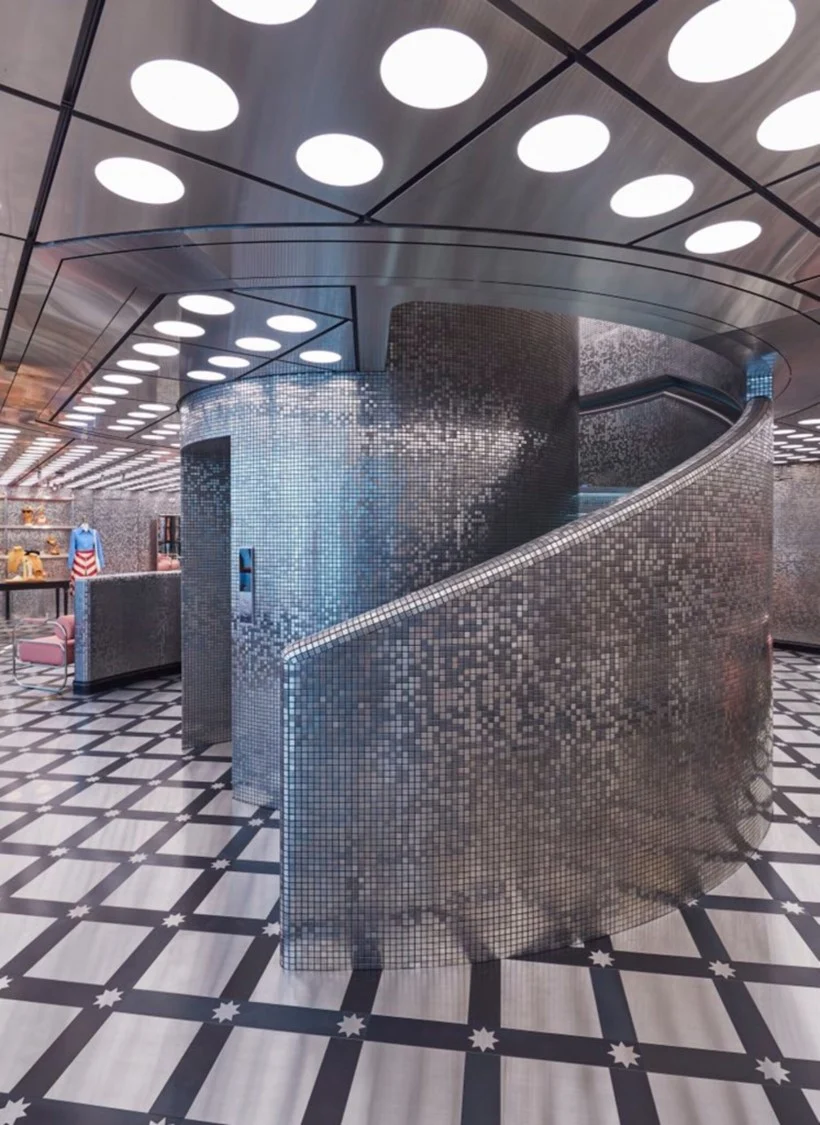
For this purpose, the firm has created a amazing interior space, where the mosaics. The lighting are completely different, even different from the other shops of the same firm
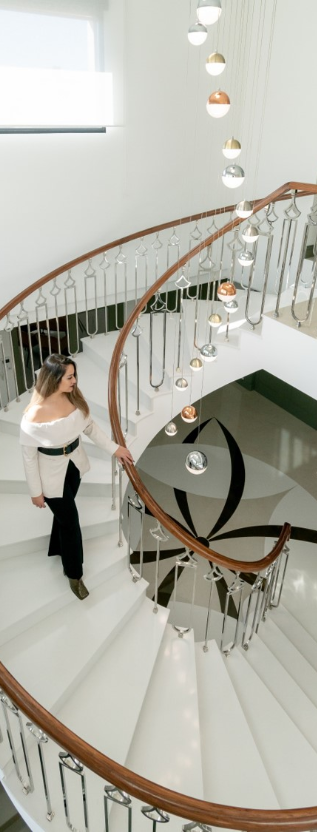
This one Gucci store It is divided into ten floors that are accessed by a striking and brilliant spiral staircase.
Through it, you access different rooms with varied decoration, highlighting in them the mirrors, purpurins and the brightThey combine with a classic style.
In addition, design of luminaires in steel and metal, it creates a game of breaking and shocking lights and shadows.
Through the mirrors, a visual effect is created, expanding the sales surface to infinity. All this is enhanced by the selection of materials glowing and fascinating.
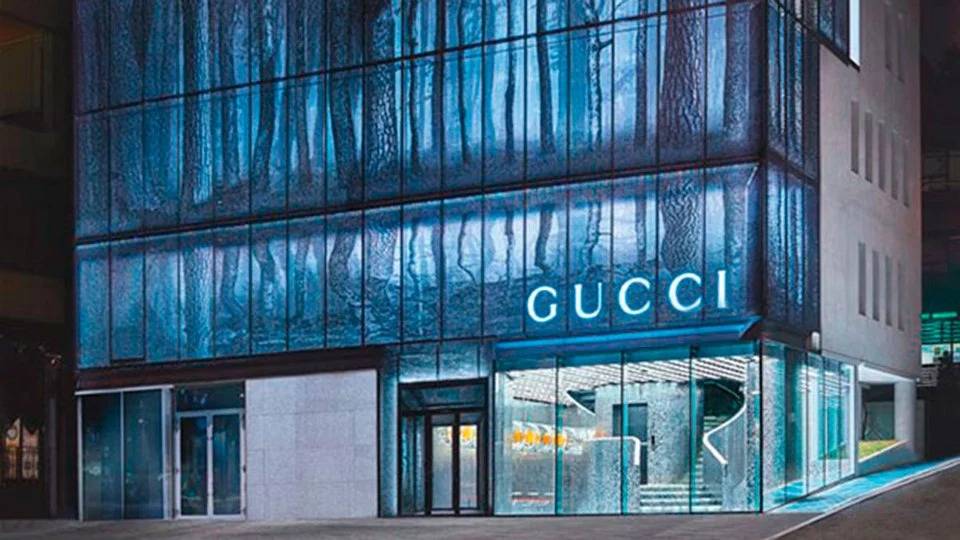
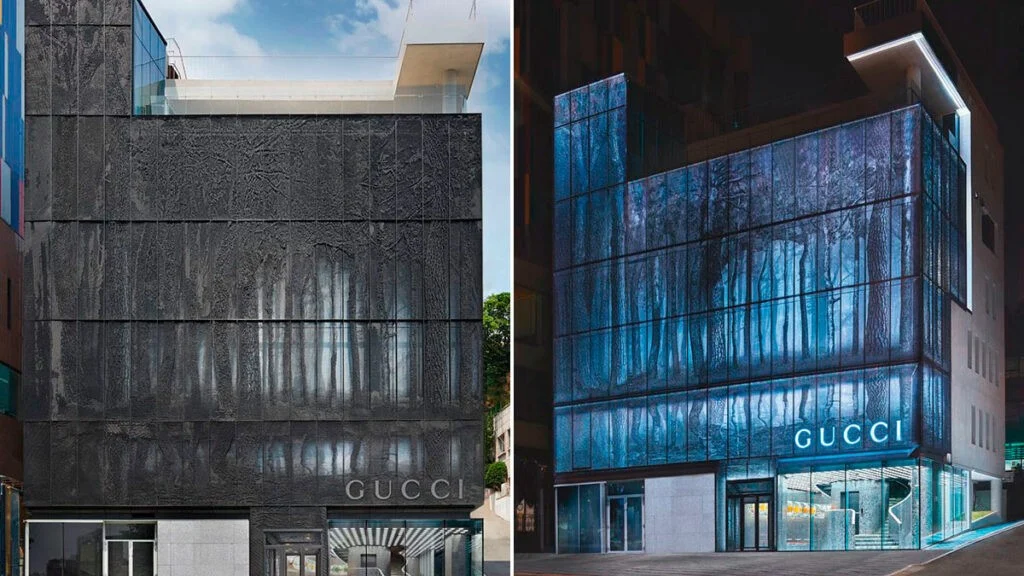
This new one. Gucci store tries to raise awareness about the the importance of environmental protection and natural resources, from the exterior design of its facade.
To enter the new store Gucci, you have to go through a forest (symbolic representation of large dimensions), and once you access it, the world of fantasy begins.
History Gucci
Guccio Gucci, was born in 1881 in Florence (Italy). In 1898 he left his city with the aim of finding work outside, achieving it in the Savoy Hotel in London.
There he met the luxury items and sophistication through the guests who frequented the hotel.
In 1921 Guccio Gucci decided to open a small leather shop in Florence. Its success was due to the quality of the articles it made and the good handcrafted treatment of leather.
With the help of his three children, Aldo Gucci, Vasco Gucci and Rodolfo GucciThe limited supply of leather that worsened during the Second World War forced them to use atypical materials in their manufactures such as: flax, jute and bamboo.
The creation of Original bags made from novel materials, made them become pieces desired by the celebrities; appearing even in films.
After World War II, Aldo Gucci opened a branch in New York internationalizing GUCCI.
In the 1960s was created the famous Gucci logo, two GGs interwoven in honor of their founder Guccio Gucci died in 1953. This logo began to be printed on garments and accessories.
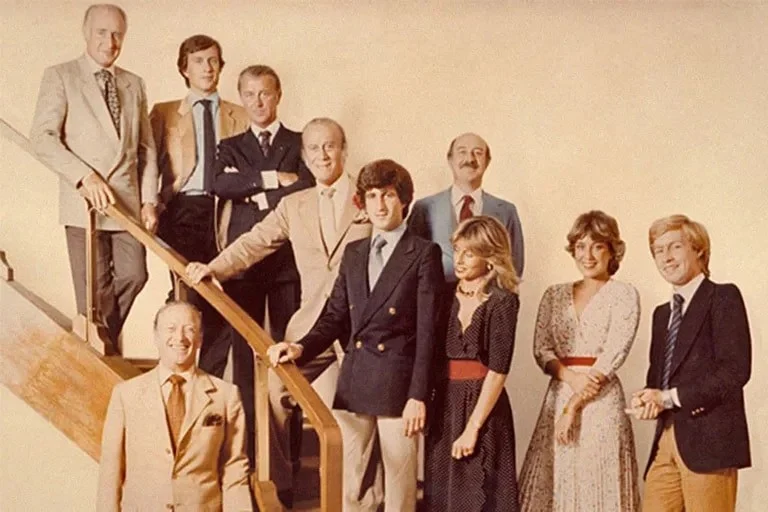
After the death of one of his sons (Vasco Gucci), Aldo Gucci and Rodolfo Gucci The percentages of the company were divided between these two brothers (whose relationship was quite good until their children entered the business).
In 1983 Rodolfo Gucci dies, and his 50% share goes to his only child Maurizio GucciSoon after, Paolo Gucci sells its share of the company (3.3%) to its cousin Maurizio, to open and start with your own company.
From there, family peace abandoned the Gucci. Paolo Gucci He denounced his cousin. Maurizio Gucci for tax fraud (the same thing he also did with his father) Aldo Gucci). The impulsive decisions made by Maurizio in the Gucci company, made them lose a lot of money and start accumulating debts. Later, in 1993, Maurizio Gucci sold all its shares in Gucci.
In 1995, Maurizio Gucci killed by a hit man under his ex-wife’s order, Patrizia Reggiani. With his passing, the Gucci dynasty.
The brand was reborn thanks to Tom Ford and Domenico de Sole.
Frequently asked questions
What can we learn from Gucci’s Seoul shop?
The article is a reference to see how a firm translates its identity into materials, colour and travel. The useful thing is to understand that relationship before moving ideas to another store.
How can I adapt a luxury retail idea for a small shop?
Select an applicable idea, such as the treatment of the access or exposure of the product. Adjust the rest to the measurements and the way of purchase of your customers.