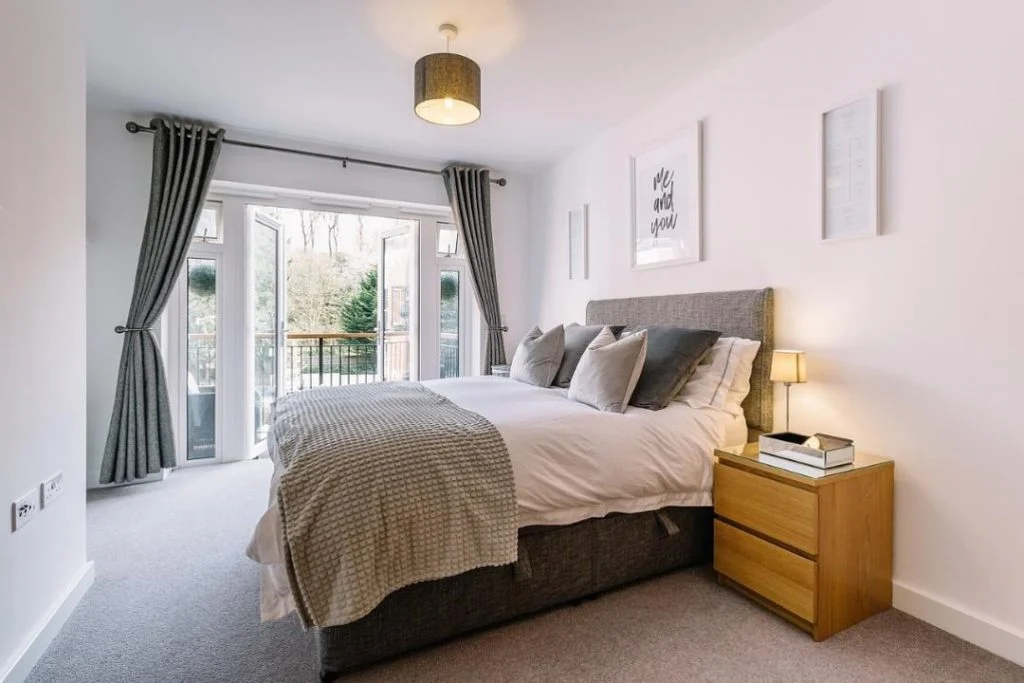
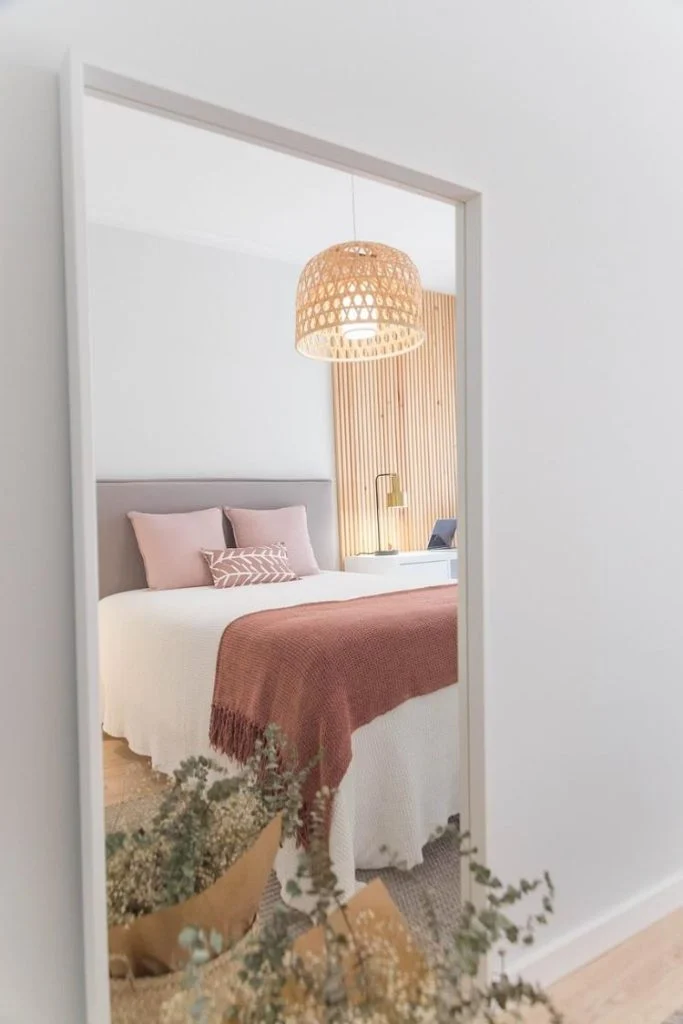
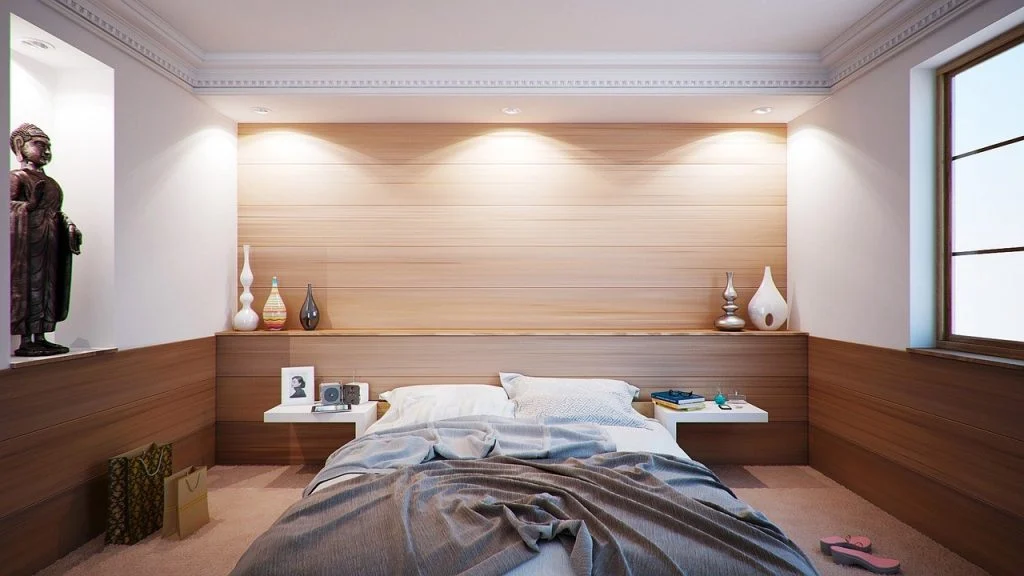
A full youth bedroom is a very important space in the life of any teenager. It is the place where they spend most of their time, whether studying, sleeping or simply relaxing.
For this reason, it is important that the bedroom be a cozy place, reflecting your personality and making you feel comfortable and safe.
In this article we will present you 12 ideas to decorate a youth dormitoryfrom complete options to simple details that can make a difference.
12 Ideas for Decorating Full Teenage bedrooms
1- Define a style
The first thing you have to do is define a style of decoration for the youth dormitory. You can choose a modern, bohemian, Scandinavian, vintage or any other style that reflects the personality of the teenager.
2- Choose a main colour
Choose a main colour for the walls that combines with the style chosen and that is youthful and fun. The most popular colours for the decorating teenagers’ bedrooms They’re white, gray and black.
3- Select Economical Furniture
Search cheap youth furniture you can choose economic options such as beds, cupboards and second-hand desks or search shops specializing in youthful furniture.
4-Make the most of the space
If you need to save room in the bedroom, the Youth bridge beds These beds have a functional design that allows you to make the most of the available space.
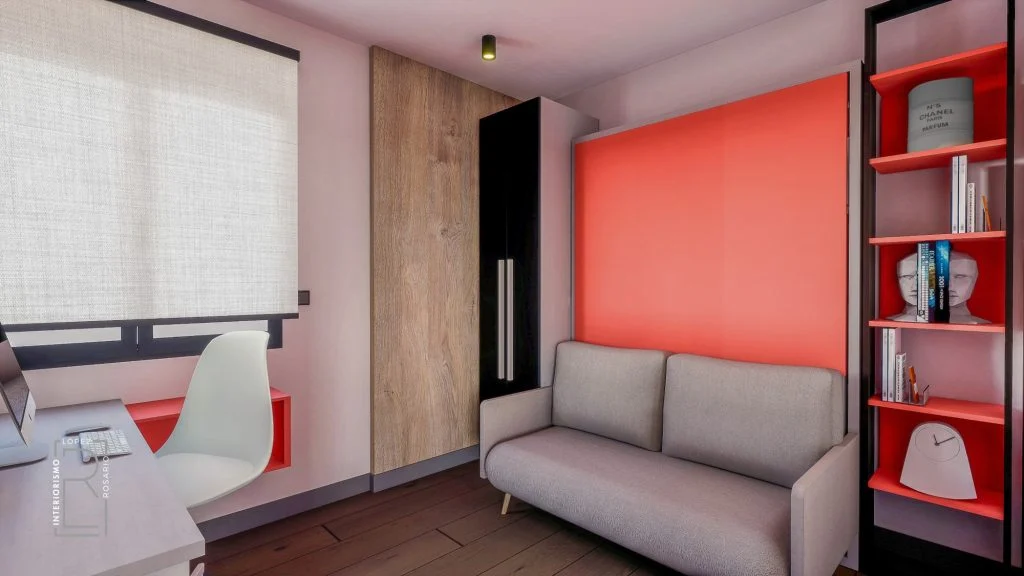
Another option that is used a lot when you want to optimize the spaces is the use of double folding beds, which are completely hidden when saved.
5- Select original lamps for teenage bedrooms and create environments
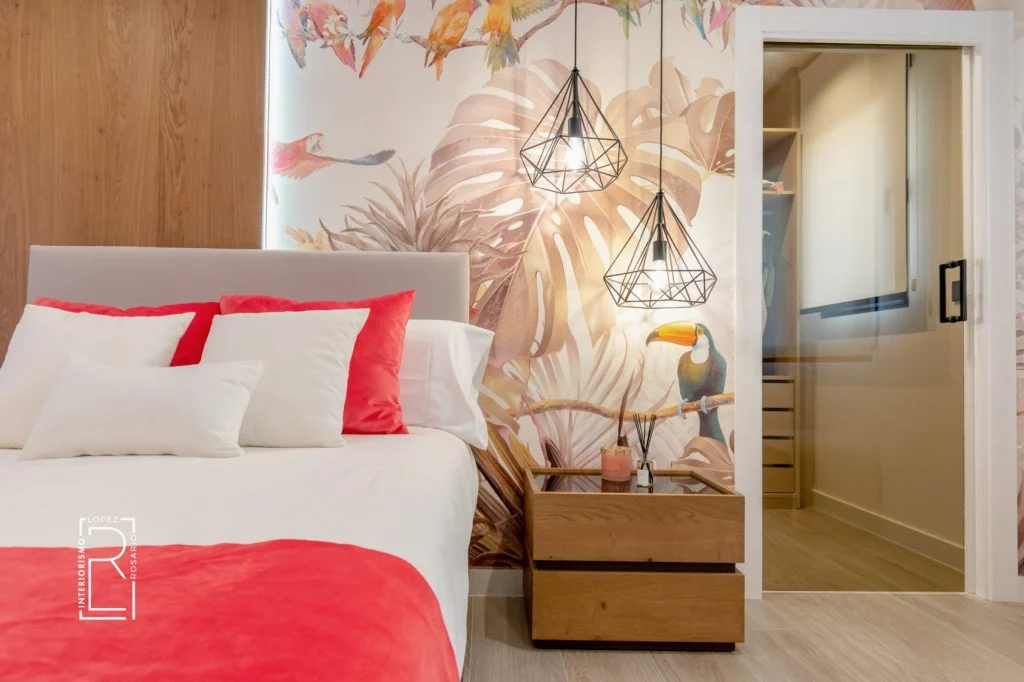
Add soft light lamps to create a relaxing and welcoming atmosphere. Lamps are an excellent way to add ambient lighting to the youth dormitory.
6- Use white colours
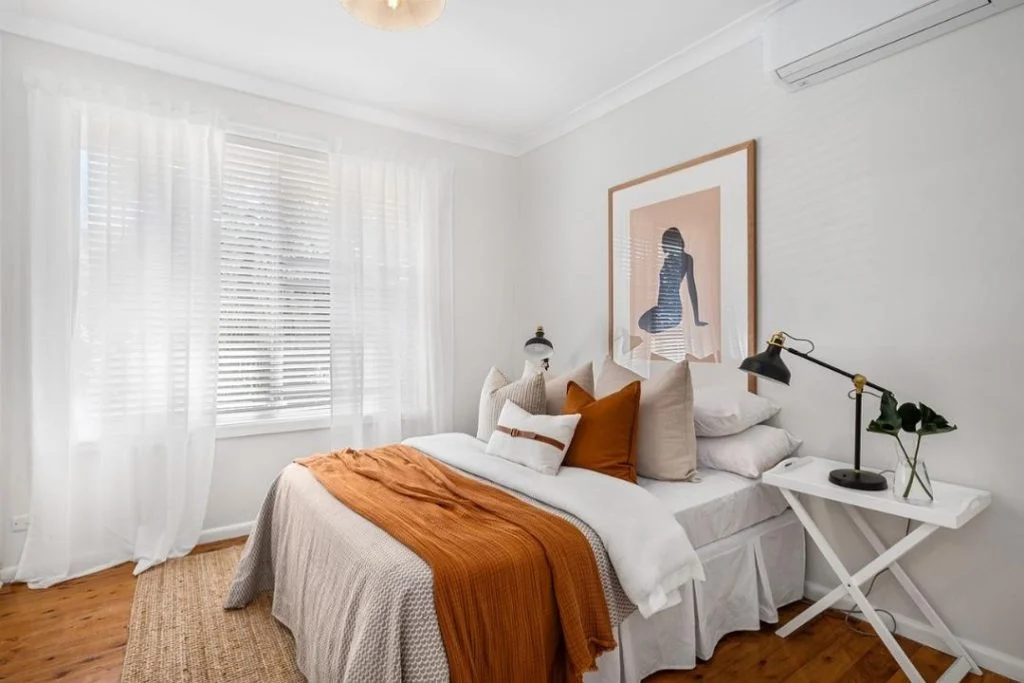
If you want a youth dormitory make it easy to decorate, opt for white walls. This will allow you to add touches of colour and personality to the space without overloading it.
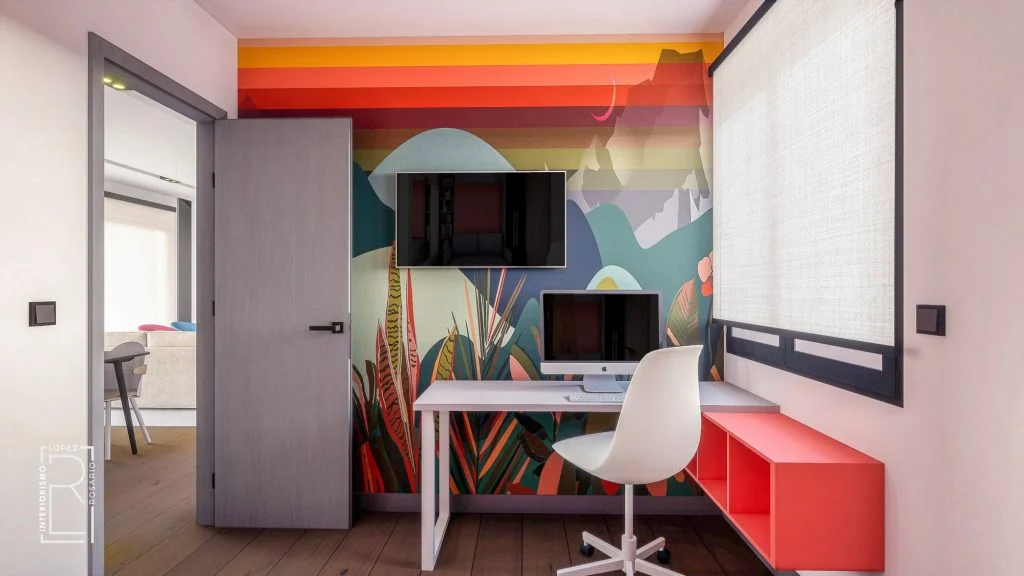
On the contrary, if you want to opt for youth bedrooms in white (in terms of furniture), it uses a palette of striking colours on the walls so that the Youth furniture highlight on the background where it is located.
7- Adds natural elements
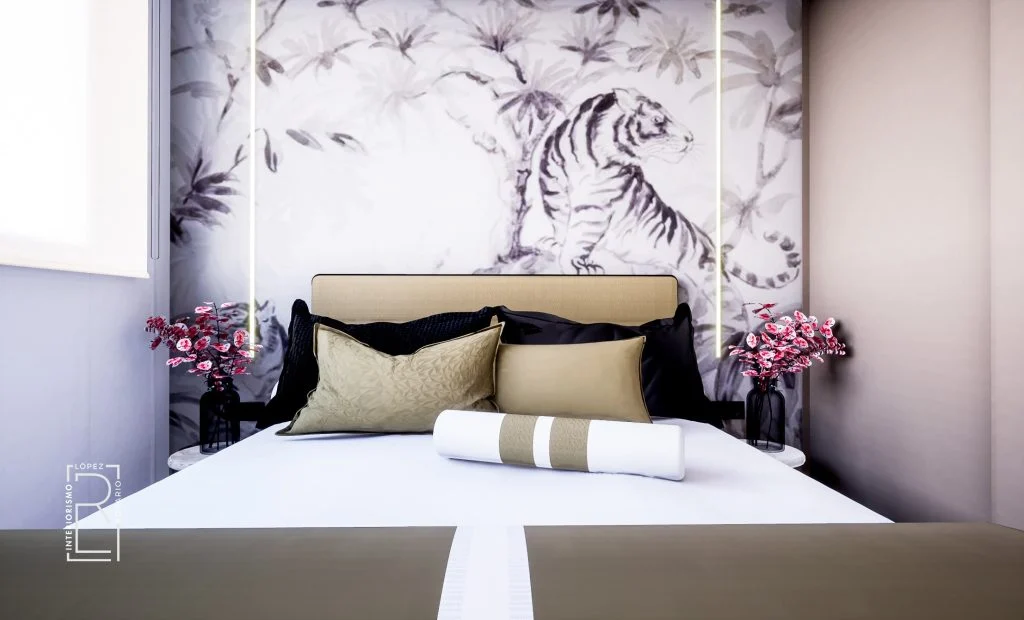
Add natural elements such as plants or flowers to give life to the environment. Plants and flowers are an excellent way to refresh and add colour to space
8- Organisation first of all
Keep the space organised and free of disorder. You can add storage furniture Hidden or organising boxes to keep everything in place.
9- Add a study area to your youth bedroom
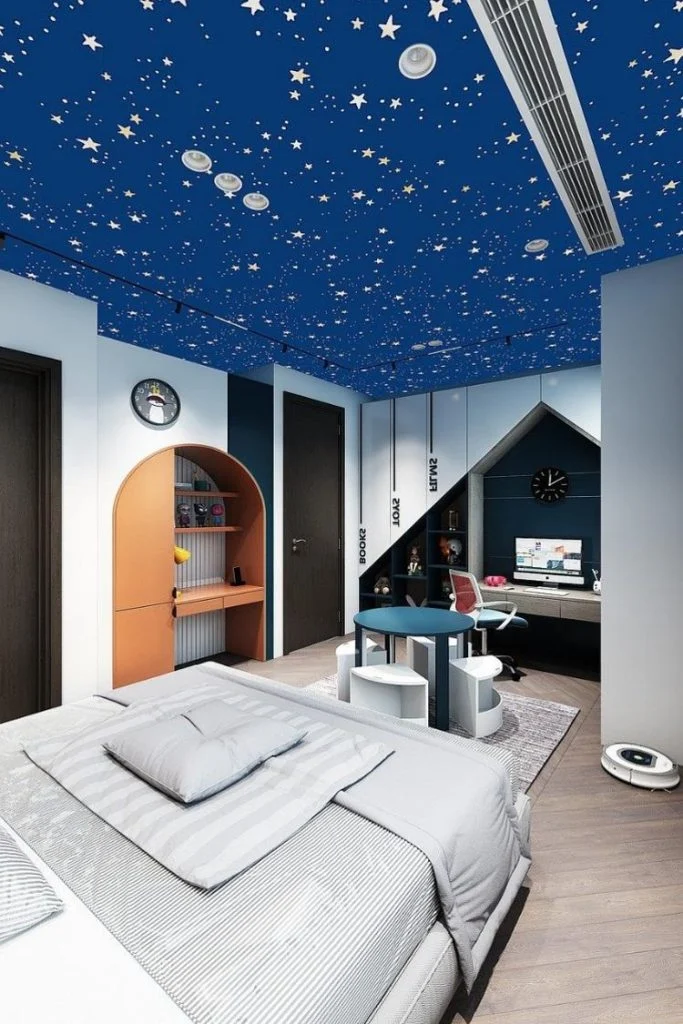
If the teen needs a space to study, add a desk and a comfortable chair. You can also add bookshelves and school supplies
10- Decoration with photos
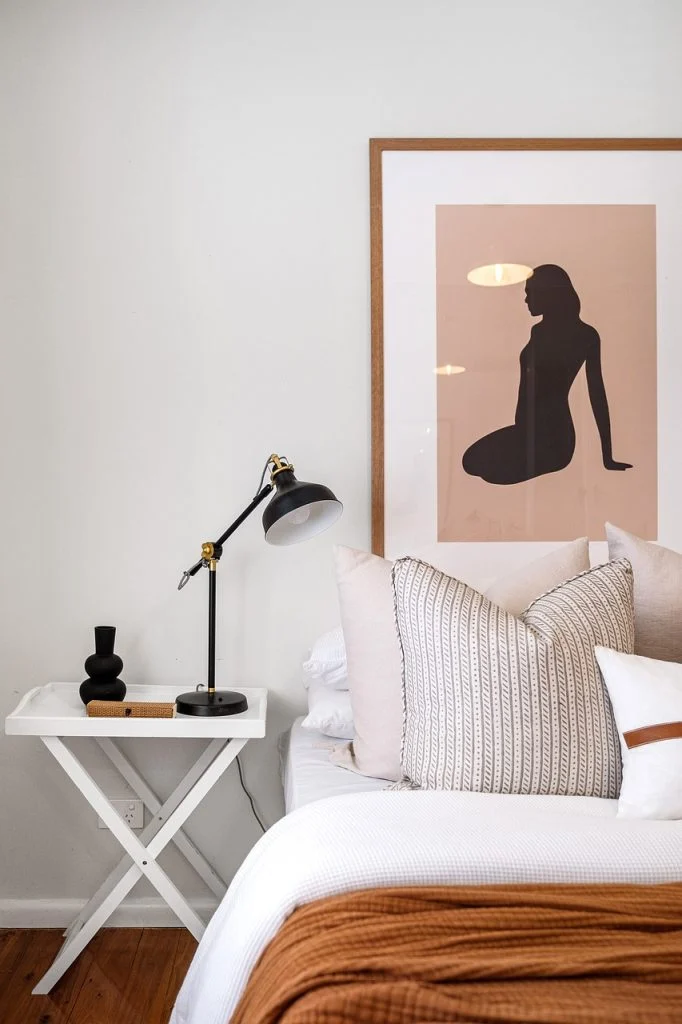
Personalises the youth dormitory with pictures of the teenager and his friends. Add fun and colourful frames to make him more youthful.
In addition, if you have an artist at home, frame their most relevant works and expose them in their room. It will be a source of inspiration and creativity for them.
11- Decorative Vinyls
Wall or ceiling decals can add personality to a teenager’s bedroom. Choose a pattern or illustration that reflects their interests.
12- Place cushions
Add youth cushions to give a touch of comfort and colour to the bedroom. Cushions are an excellent way to add texture and personality to the space.
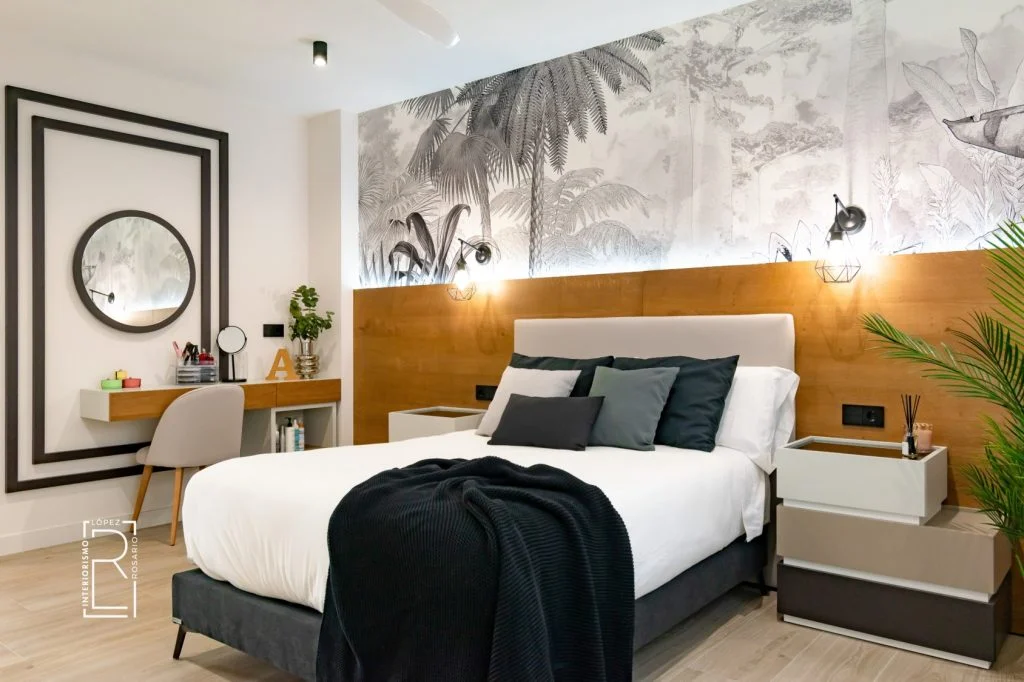
Project carried out by Rosario López in her study.
In addition, you don’t need to spend large amounts of money. With the ideas we suggest, you can design cheap youth dormitories. With the right tips and the necessary creativity, you can transform a youth dormitory in a perfect space for the rest and development of the skills of young people.
If you’re unsure how to furnish a teenager’s bedroom or what layout would work best, contact our studio. We can talk you through our interior design and decorating services.
Frequently asked questions
How can I decorate a small bedroom for a teenager?
Keep routes clear and consider pieces with more than one use, such as a bed with drawers. Put the desk where it can make use of daylight without glare.
How can I keep the bedroom practical as their tastes change?
Choose furniture that can adapt to new routines and use textiles or accessories to introduce colours that are easy to change later.